How to store encryption key in database images are available. How to store encryption key in database are a topic that is being searched for and liked by netizens today. You can Get the How to store encryption key in database files here. Get all free photos and vectors.
If you’re looking for how to store encryption key in database pictures information linked to the how to store encryption key in database topic, you have visit the ideal site. Our site frequently provides you with suggestions for refferencing the highest quality video and picture content, please kindly hunt and find more enlightening video articles and images that match your interests.
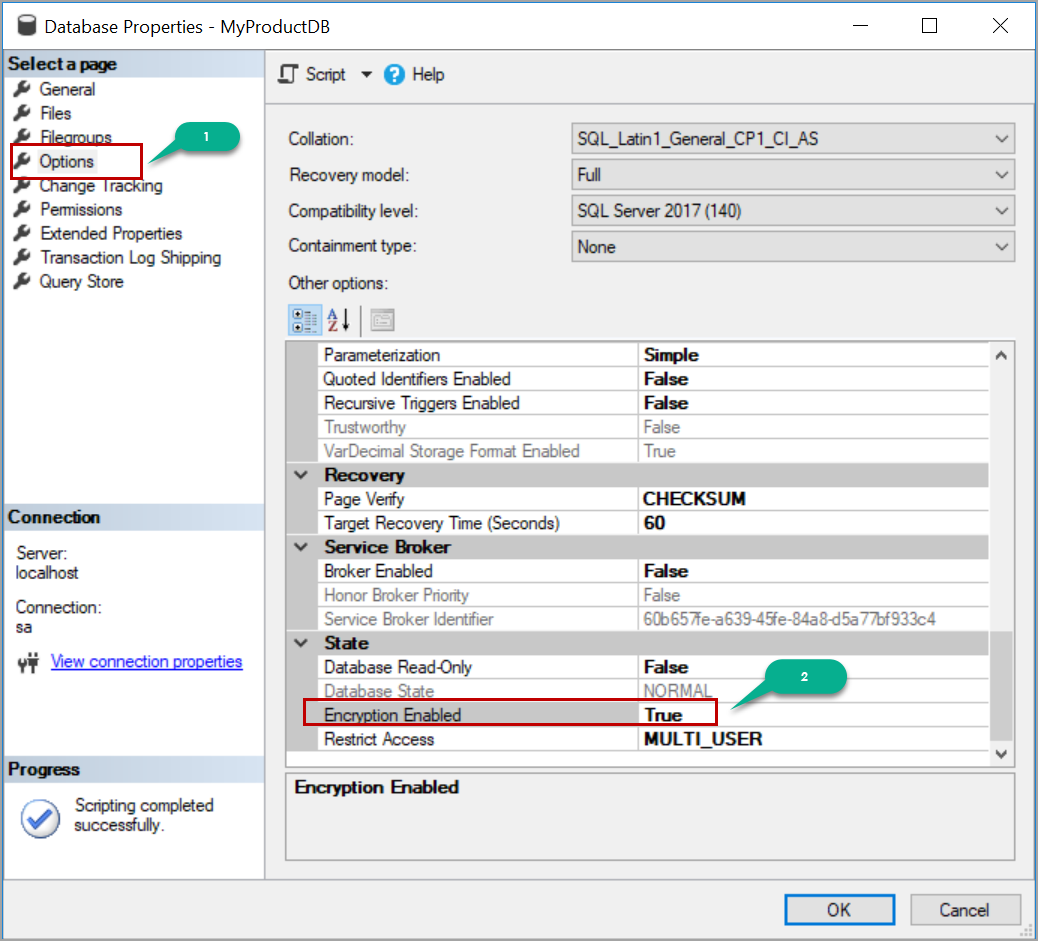
14032017 To enable the automatic decryption of the database master key a copy of the key is encrypted by using the SMK. There are different hashing algorithms. Now Oracle also supports the integration with the OCI Vault Service where you are able to create and control your TDE master encryption keys or import your existing ones. I think that is probably more correct before running database to connect to some remote network resource folder which is the key start the database and after startup to unmount this share. 19072021 The default configuration Oracle-Managed Keys stores the master encryption keys in a wallet file locally on the database servers.
How To Store Encryption Key In Database. 14032017 To enable the automatic decryption of the database master key a copy of the key is encrypted by using the SMK. Currently you can store a CMK in the Windows certificate store Azure Key Vault or a hardware security module HSM. 06092021 Data in an AIS database can be stored in encrypted form to deter it unethical or fraudulent use. Let encrypted cipherupdatesourceData binary binary.
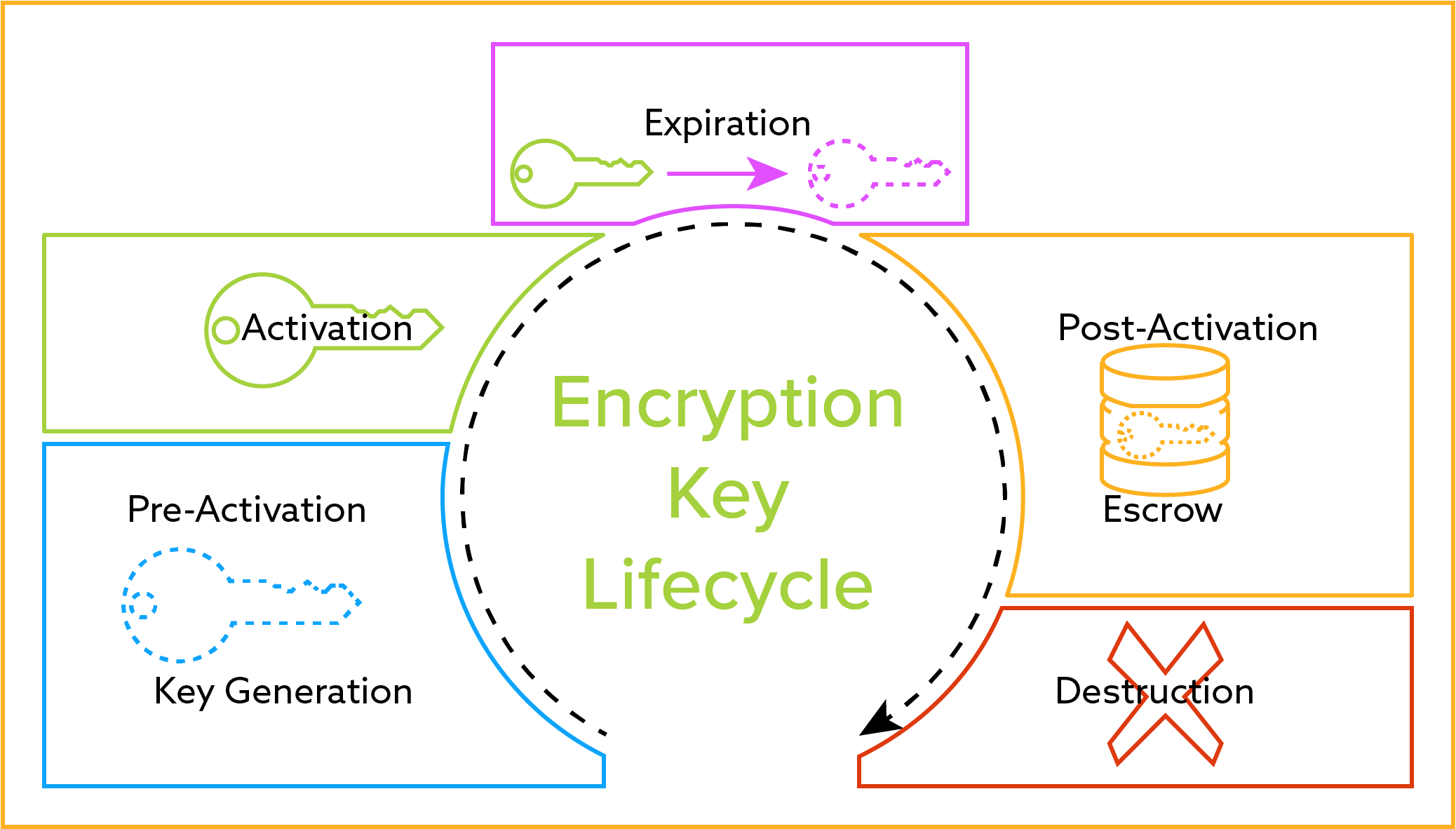 The Definitive Guide To Vmware Encryption And Key Management From info.townsendsecurity.com
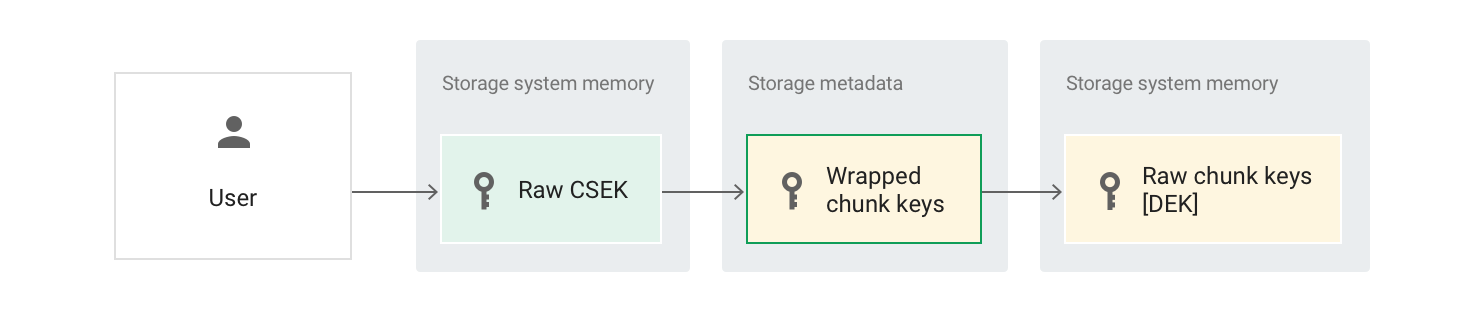
The copy of the DMK stored in the master system database is silently updated whenever the DMK is changed. Generally hashing requires a salt for each record. 07052019 Now we can use the generated key to encrypt any data. 23022018 If what you provide the user is a combination of primary key and API key you can then securely store the API key. Currently you can store a CMK in the Windows certificate store Azure Key Vault or a hardware security module HSM. The encryption keys should be stored at.
Generally hashing requires a salt for each record.
20082014 Otherwise it would be easy to find all the common data in a database and deduce a pattern from the encryption. A valid connections string that re-directs to a file on disk. Currently you can store a CMK in the Windows certificate store Azure Key Vault or a hardware security module HSM. The encryption keys should be stored at. Ie it is clear that you can throw on the disc but in the event of a compromise of access together with the base leaked key. Then use that as key for encrypting the private key.
 Source: thesslstore.com
It is stored in both the database where it is used and in the master system database. Type in the encryption key when you start up store it in memory. Remember to use the algorithm correctly. Function encrypt key sourceData const iv Bufferalloc16 0. Currently you can store a CMK in the Windows certificate store Azure Key Vault or a hardware security module HSM.
 Source: documentation.commvault.com
Government regulations including HIPPA require some forms of private or sensitive data to be transmitted in encrypted form. Type in the encryption key when you start up store it in memory. Initialization vector const cipher cryptocreateCipherivaes-192-cbc keycipherKey iv. 10112008 If you need the registry key as well you can always use the following connection string. Ie it is clear that you can throw on the disc but in the event of a compromise of access together with the base leaked key.
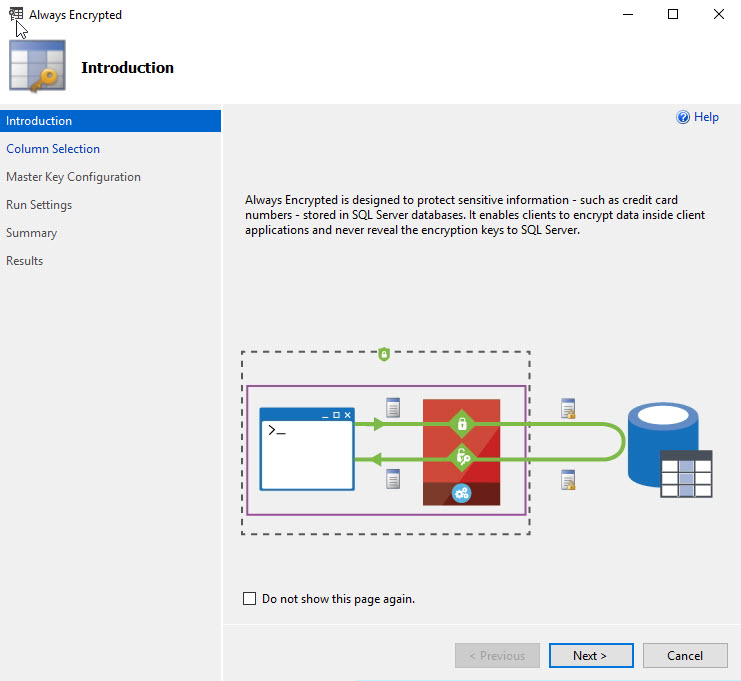 Source: sqlshack.com
There are different hashing algorithms. However the server boots into an unusuable state requiring you to manually supply the key before work can be done. Generally hashing requires a salt for each record. Since the key is effectively a password hashing should be sufficient and is recommended. A valid connections string that re-directs to a file on disk.
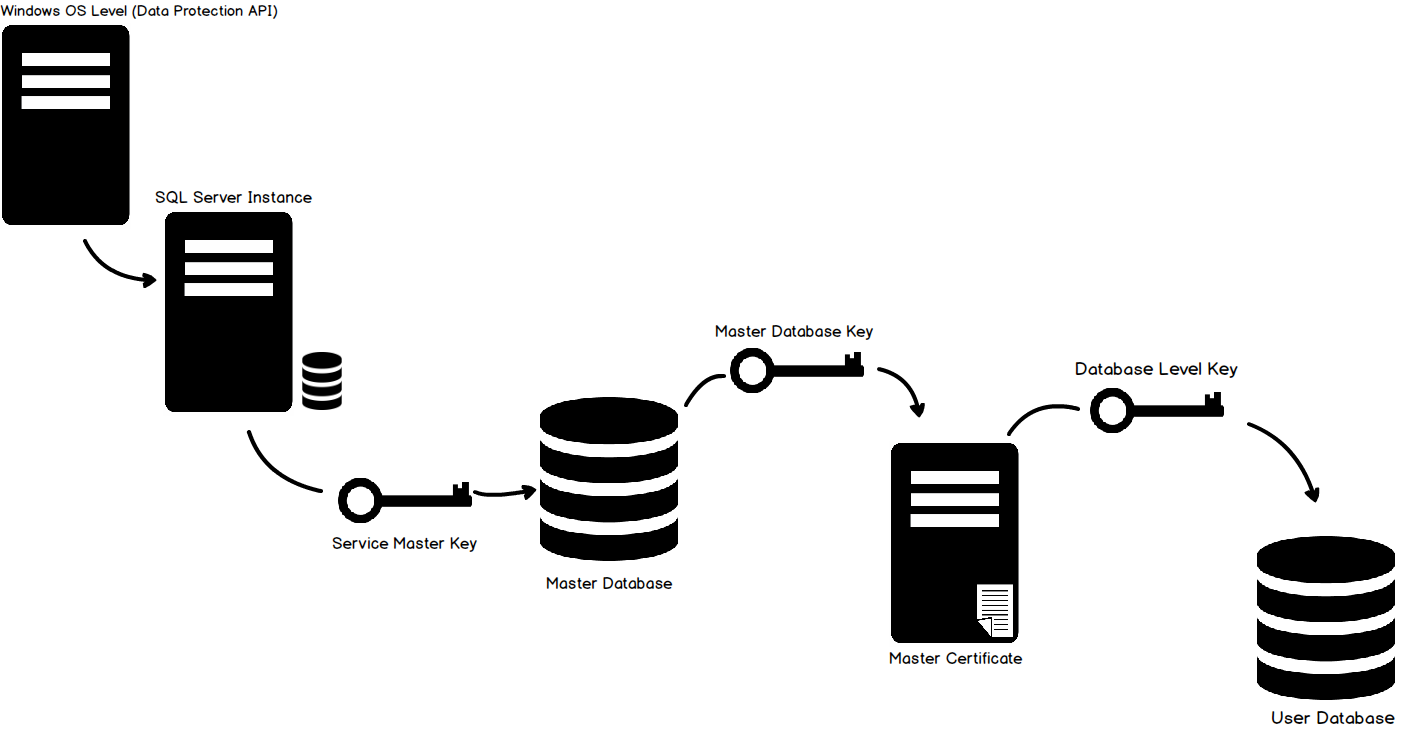 Source: sqlshack.com
Similar to the option above but also different. Currently you can store a CMK in the Windows certificate store Azure Key Vault or a hardware security module HSM. Simply store an additional salt and perform the password hash. This tutorial shows how to store your keys in the Windows certificate store. I think that is probably more correct before running database to connect to some remote network resource folder which is the key start the database and after startup to unmount this share.
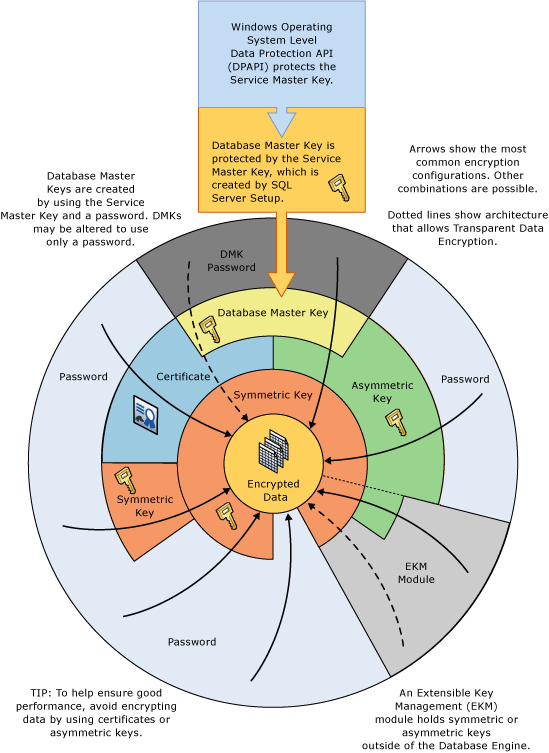 Source: sqlshack.com
If Oracle permissions are enough to prevent the user from decrypting the data they would be enough to prevent the user from selecting the unencrypted data. Type in the encryption key when you start up store it in memory. Let encrypted cipherupdatesourceData binary binary. Putting the encryption key anywhere in the database or accessible to the database frequently defeats the purpose of encryption because anyone with access to the database can simply decrypt the data. Initialization vector const cipher cryptocreateCipherivaes-192-cbc keycipherKey iv.
 Source: docs.mongodb.com
This protects against offline attacks unless they capture the key out of RAM which is tougher to do. Database encryption is. 19072021 The default configuration Oracle-Managed Keys stores the master encryption keys in a wallet file locally on the database servers. 06092021 Data in an AIS database can be stored in encrypted form to deter it unethical or fraudulent use. Function encrypt key sourceData const iv Bufferalloc16 0.
 Source: sqlshack.com
Note that it is required to use a Password Based Key Derivation Function PBKDF such as PBKDF2 bcrypt or scrypt to create a secure password hash given the normal security level of a password. This protects against offline attacks unless they capture the key out of RAM which is tougher to do. If Oracle permissions are enough to prevent the user from decrypting the data they would be enough to prevent the user from selecting the unencrypted data. Then use that as key for encrypting the private key. Remember to use the algorithm correctly.
Source: info.townsendsecurity.com
Since the key is effectively a password hashing should be sufficient and is recommended. 05112019 A better scenario would be to collect names mails and phone numbers encrypt and store them in a database hosted on a server different than the web server. To get a separate key. Then use that as key for encrypting the private key. However the server boots into an unusuable state requiring you to manually supply the key before work can be done.
 Source: docs.oracle.com
20082014 Otherwise it would be easy to find all the common data in a database and deduce a pattern from the encryption. 10112008 If you need the registry key as well you can always use the following connection string. The encryption keys should be stored at. Simply store an additional salt and perform the password hash. Let encrypted cipherupdatesourceData binary binary.
 Source: stackoverflow.com
This protects against offline attacks unless they capture the key out of RAM which is tougher to do. It is stored in both the database where it is used and in the master system database. I think that is probably more correct before running database to connect to some remote network resource folder which is the key start the database and after startup to unmount this share. 19072021 The default configuration Oracle-Managed Keys stores the master encryption keys in a wallet file locally on the database servers. 05112019 A better scenario would be to collect names mails and phone numbers encrypt and store them in a database hosted on a server different than the web server.
 Source: cloud.google.com
There are different hashing algorithms. 20082014 Otherwise it would be easy to find all the common data in a database and deduce a pattern from the encryption. 07052019 Now we can use the generated key to encrypt any data. Generally hashing requires a salt for each record. Currently you can store a CMK in the Windows certificate store Azure Key Vault or a hardware security module HSM.
This site is an open community for users to submit their favorite wallpapers on the internet, all images or pictures in this website are for personal wallpaper use only, it is stricly prohibited to use this wallpaper for commercial purposes, if you are the author and find this image is shared without your permission, please kindly raise a DMCA report to Us.
If you find this site serviceableness, please support us by sharing this posts to your favorite social media accounts like Facebook, Instagram and so on or you can also save this blog page with the title how to store encryption key in database by using Ctrl + D for devices a laptop with a Windows operating system or Command + D for laptops with an Apple operating system. If you use a smartphone, you can also use the drawer menu of the browser you are using. Whether it’s a Windows, Mac, iOS or Android operating system, you will still be able to bookmark this website.